
Mental health and wellness are important parts of living a balanced and fulfilling life. Just like physical health, your mental well-being can affect your energy, relationships, productivity, confidence, and ability to handle everyday challenges.
Mental health care doesn’t always require major changes to your lifestyle. Small, consistent routines can have a significant impact on your day-to-day mood and performance.
What Is Mental Health and Wellness?
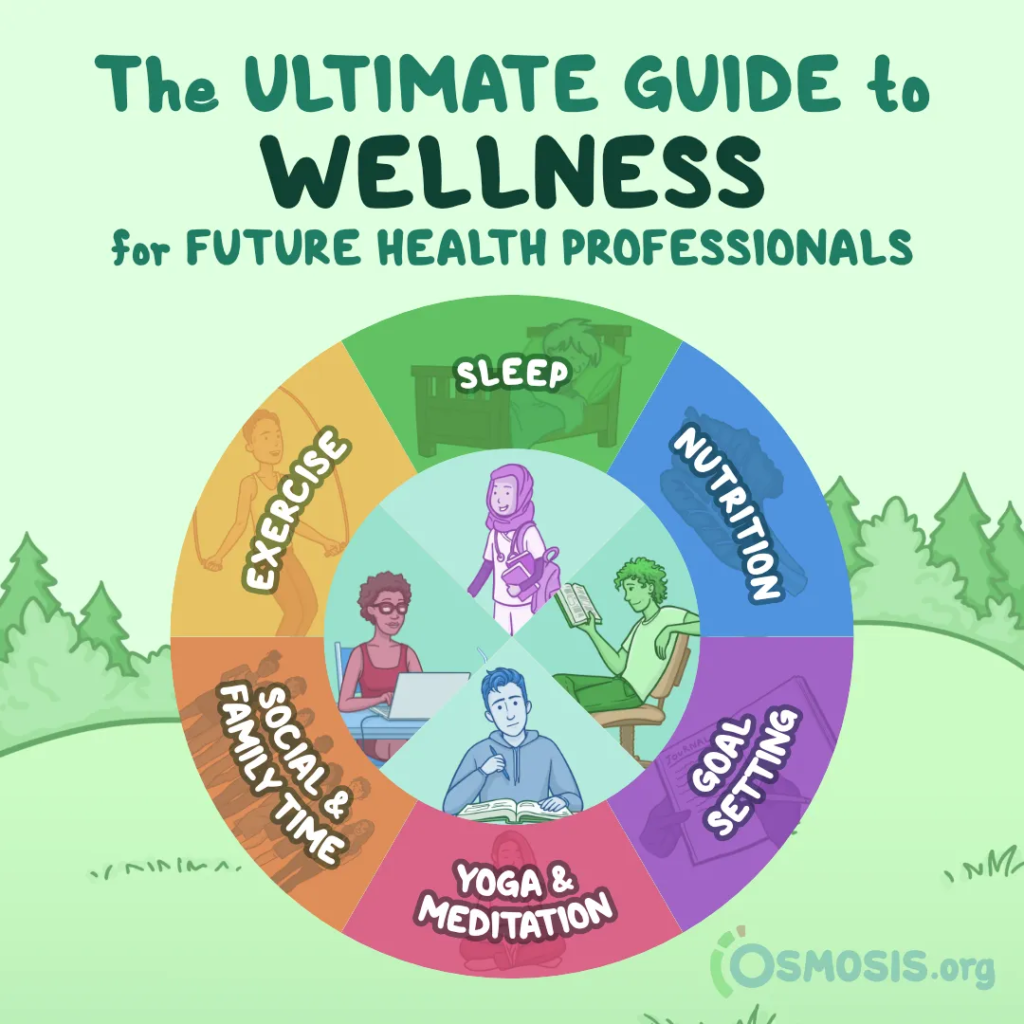
Mental health includes our emotional, psychological, and social wellness. It has an impact on how we think, feel, communicate, make choices, and deal with stressful situations. Wellness is a broader concept that includes the habits and choices that support a healthy and balanced lifestyle. Emotional awareness, healthy relationships, adequate sleep, physical activity, relaxation, and personal development are all components of mental wellness.
Why Mental Wellness Matters
Good mental wellness can help people manage everyday stress and maintain healthier relationships. It can also support concentration, motivation, emotional balance, and overall quality of life.
Mental wellness doesn’t imply being cheerful constantly. Everyone experiences stress, sadness, frustration, and difficult emotions. Wellness is about learning healthy ways to understand and manage these experiences.
Prioritize Quality Sleep
Both mental and physical health benefit greatly from adequate sleep. Concentration and emotion control can be hampered by insufficient or irregular sleep. A regular sleeping schedule can be helpful. Try to maintain regular sleeping and waking times and create a calm environment that allows your mind and body to relax.
Stay Physically Active
Physical activity on a regular basis can aid in stress reduction and overall well-being. Activities such as walking, cycling, stretching, or playing a sport can be simple ways to stay active.
You do not necessarily need an intense workout routine. Choosing an activity you enjoy can make it easier to stay consistent.
Practice Mindfulness
Mindfulness involves paying attention to the current moment without immediately assessing your thoughts or feelings. Breathing techniques, meditation, calm introspection, or just concentrating on your work can all be used to practice it.
During a hectic day, even a short period of mindful breathing can offer a chance to stop and refocus.
Build Healthy Relationships
A key component of mental wellness is having healthy social relationships. Spending time with encouraging friends, family, coworkers, or classmates can foster a sense of community and support.
Communication, mutual support, respect, and boundaries are all essential components of healthy relationships.
Manage Everyday Stress
Although stress is a natural part of life, persistent stress can be challenging to handle. Recognizing typical stressors might assist you in determining which circumstances need your attention.
More balance can be achieved by planning work, taking regular breaks, going outside, and engaging in relaxation exercises.
Eat a Balanced Diet
Energy levels and general health can be influenced by nutrition. General well-being can be supported by eating a range of nutrient-dense foods, staying hydrated, and scheduling regular meals.
There isn’t just one ideal diet for everyone. Extreme limits are typically less practicable than a balanced strategy that meets your needs and circumstances.
Set Realistic Goals
Establishing attainable objectives can offer focus and inspiration. When big objectives are not broken down into smaller steps, they might feel daunting.
Try this week, this week, this week. Maintaining motivation can also be aided by acknowledging little accomplishments.
Take Breaks From Digital Devices
Phones, computers, and social media are useful parts of modern life, but constant digital activity can make it difficult to disconnect.
Consider taking short breaks from screens throughout the day. Using some of that time for reading, walking, hobbies, conversation, or relaxation can create a healthier routine.
Make Time for Hobbies
Opportunities to enjoy activities outside of job, school, or everyday duties are provided by hobbies. Meaningful downtime can be found in reading, cooking, gardening, painting, music, sports, and creative pursuits.
Time spent having fun and unwinding is not wasted. They may play a significant role in upholding a healthy lifestyle.
Practice Self-Compassion
Individuals tend to be more critical of themselves than of others. Responding to personal challenges with empathy rather than harsh criticism is a sign of self-compassion.
Making mistakes does not mean you are a failure. A better strategy for personal development may be to go forward and learn from past mistakes.
Know When to Seek Support
It can occasionally be challenging to handle stress, anxiety, depression, or other emotional issues on your own. Speaking with someone you can trust can be a good place to start.
Consider consulting a trained mental health professional if emotional or mental health issues are ongoing or interfere with day-to-day functioning. Professional support can provide therapy when it can provide professional guiding direction.
Create a Sustainable Wellness Routine
It is not possible to achieve mental wellness through a single habit or a temporary challenge. Regular decisions that promote your overall health enhance it. Start with one or two realistic changes instead of trying to change everything at once. With time, healthy habits can integrate seamlessly into daily living.
Conclusion
Mental health and wellness are essential parts of a healthy and balanced lifestyle. Getting enough sleep, staying active, maintaining supportive relationships, managing stress, practicing mindfulness, and making time for enjoyable activities can all contribute to overall well-being.
The most effective wellness routine is one that is realistic, sustainable, and suited to your individual needs. Small positive steps taken consistently can help create a healthier approach to everyday life.