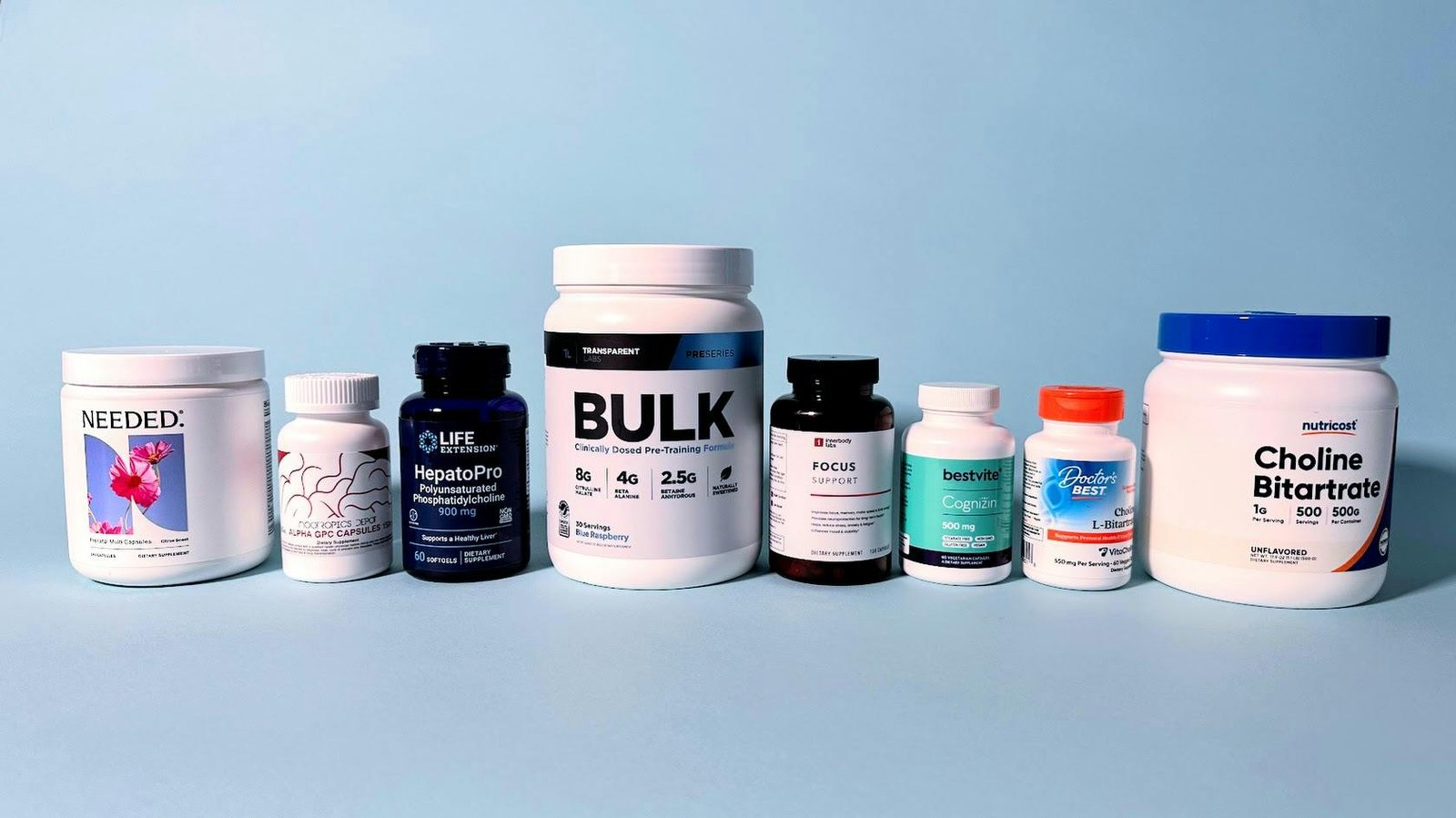
Choline is an essential nutrient that plays several important roles in the human body. Although the body can produce some choline on its own, it may not always make enough to meet daily needs, which is why obtaining choline through food is important. For people who have difficulty getting sufficient amounts from their diet, choline supplements may be an option to consider.
Choline supplements are involved in normal brain function, cell structure, nerve signaling, and fat metabolism. However, taking a supplement is not automatically better than getting nutrients from a balanced diet. Understanding how choline works, where it comes from, and how much a person needs can help individuals make informed decisions.
What Is Choline?

Choline is an essential nutrient that has characteristics similar to vitamins. It is needed to produce important compounds involved in cellular structure and communication.
One of its major roles is helping the body produce acetylcholine, a neurotransmitter involved in memory, muscle control, attention, and other nervous-system functions. Choline is also used to make phosphatidylcholine, a major component of cell membranes.
The body can manufacture a limited amount of choline, but dietary intake remains an important source.
Why Is Choline Important?
Choline contributes to several biological processes.
Supports Normal Brain Function
Choline is required to produce acetylcholine, which participates in communication between nerve cells. Because of this relationship, choline is often discussed in connection with memory, learning, concentration, and nervous-system function.
However, this does not mean that taking extra choline will automatically improve memory or cognitive performance in healthy individuals. Research into supplementation and cognitive benefits is still developing.
Helps Maintain Cell Structure
Phosphatidylcholine is an important component of cell membranes. Adequate choline therefore contributes to normal cellular structure and function throughout the body.
Involved in Fat Metabolism
Choline participates in the movement and processing of fats in the body. It is particularly important for normal liver function and the transportation of lipids.
Supports Normal Nervous-System Activity
Because choline is involved in acetylcholine production, it has a role in normal communication between nerves and muscles. This makes it relevant to both neurological and muscular functions.
Food Sources of Choline
Supplements are only one way to obtain choline. Many foods naturally contain this nutrient.
Common dietary sources include:
- Eggs
- Beef
- Chicken
- Fish
- Dairy products
- Soybeans
- Certain beans and legumes
- Nuts and seeds
- Cruciferous vegetables
Egg yolks are particularly well known as a dietary source of choline. People who eat a varied diet may obtain substantial amounts without needing a dedicated supplement.
What Are Choline Supplements?
Choline supplements provide choline in concentrated form. Different products may use different chemical forms, and the amount of actual choline can vary between products.
Common forms found in supplements include choline bitartrate, phosphatidylcholine, and alpha-GPC. These compounds are not identical, and their absorption, composition, and intended uses can differ.
When comparing products, consumers should look beyond the front label and check the Supplement Facts panel for the actual amount of choline provided.
Potential Benefits of Choline Supplementation
The primary purpose of choline supplementation is to help meet nutritional requirements when dietary intake is insufficient.
People interested in choline may be seeking support for normal:
- Brain and nervous-system function
- Cell membrane structure
- Liver function
- Fat metabolism
- Muscle and nerve communication
It is important to distinguish nutritional support from medical claims. A supplement should not be viewed as a treatment for a neurological, liver, or other medical condition unless its use has been specifically recommended by a qualified healthcare professional.
Choline and Pregnancy
Choline has an important role during pregnancy because it contributes to normal fetal development and neurological processes. Nutritional needs can change during pregnancy, making adequate dietary intake particularly important.
People who are pregnant or planning pregnancy should discuss supplementation with their healthcare provider. A prenatal supplement may contain choline, but the amount varies considerably among products.
Rather than adding multiple supplements independently, it is generally better to review the entire diet and supplement routine with a qualified professional.
How Much Choline Do You Need?
Choline requirements vary according to age, sex, and life stage. For adults, the adequate intake established by U.S. health authorities is generally 550 mg per day for men and 425 mg per day for women. Requirements increase during pregnancy and breastfeeding.
These values refer to total daily intake from food and supplements rather than the amount that should necessarily come from a supplement.
Individual nutritional needs can differ, so people with specific health conditions or unusual dietary patterns may need personalized guidance.
Can You Get Too Much Choline?
More is not necessarily better. Excessive choline intake can cause unpleasant effects and may produce a noticeable fish-like body odor, sweating, gastrointestinal discomfort, vomiting, or low blood pressure.
For adults, the established tolerable upper intake level is 3,500 mg of choline per day from all sources.
This upper limit is considerably higher than the normal daily requirement, but it demonstrates why taking large doses without a clear reason is unnecessary.
Choosing a Choline Supplement
If supplementation is appropriate, several factors can help when comparing products.
Check the Choline Amount
Look at the Supplement Facts panel rather than relying only on the total weight of the ingredient. Different choline compounds contain different proportions of actual choline.
Consider the Form
Choline supplements are available in several forms. The best choice can depend on why the supplement is being used, dietary intake, tolerance, and professional advice.
Look for Quality Controls
Choose products from manufacturers that provide clear labeling and appropriate quality-testing information. Independent testing can provide additional assurance about product identity and purity, although certification does not guarantee that a supplement is appropriate for every individual.